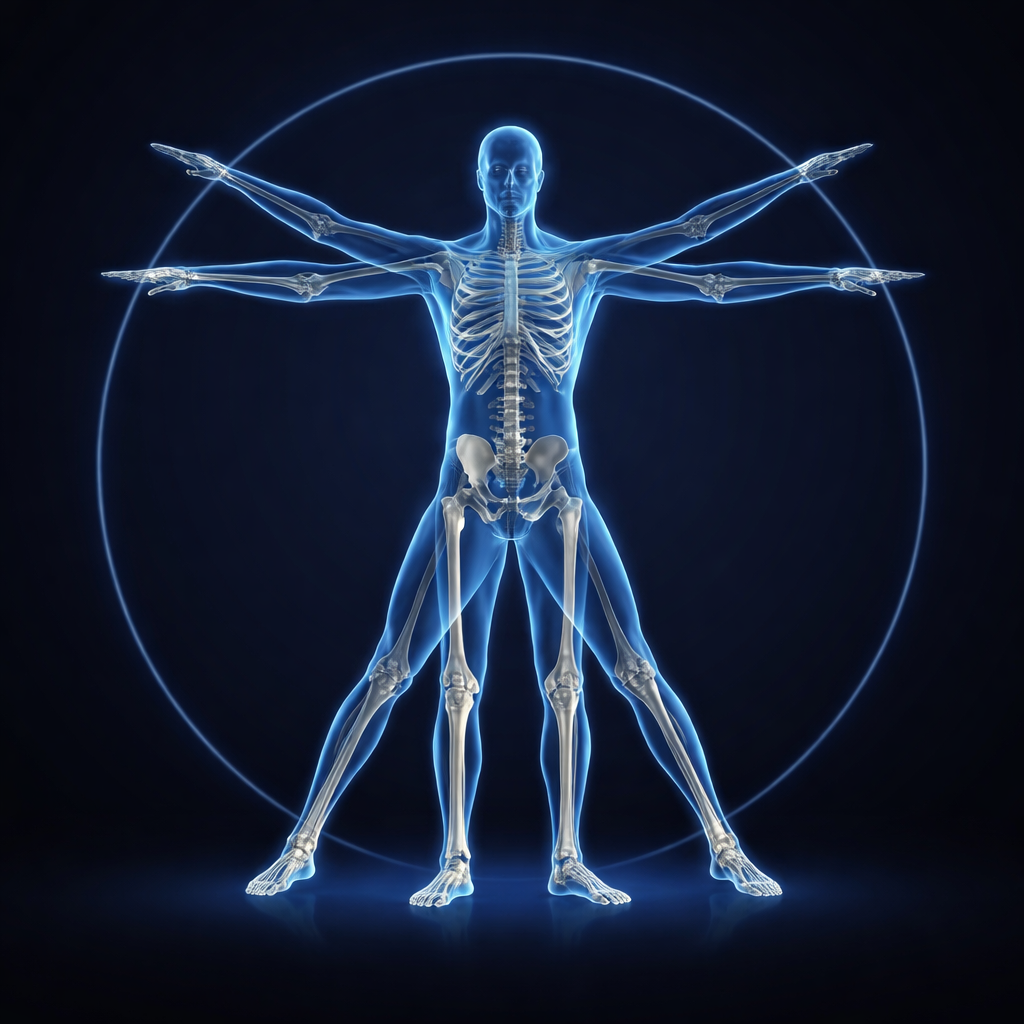
Burn Fat: The Science of Lipolysis
Burn Fat!
Lipolysis (or Aerobic Lipolysis), is the breakdown in your body of lipids, through a hydrolysis reaction, from triglycerides to glycerol and free fatty acid.
The aim, quite simply, is to make this reaction happen as much as possible.
It is because we have 3 other energy systems in our body that we must look at research to establish the most effective way to most efficiently use this energy system as long, and as often as possible so that we can know that we are not wasting time.
The theory behind High Intensity Interval Training (HIIT), is based on fat oxidation after exercise to replenish glycogen stores in the muscle or liver lost during exercise, while Long Slow-Distance (LSD) training is meant to maximise fat oxidation during exercise. HIIT is very effective. Some say that it is more effective than LSD, but the argument is futile.
The following research suggests an "ideal" training zone for burning fat during LSD:
"The rate of appearance of fatty acids into the plasma peaks during low-intensity exercise (25% to 30% of VO2 max) and then declines as exercise intensity increases. In contrast, the rate of fat oxidation is highest during moderate activity such as easy jogging (65% of VO2 max). At such an intensity, plasma free fatty acids and intramuscular triglyceride contribute equally to the overall rate of fat oxidation. During high-intensity exercise (85% of VO2 max), the rate of total fat oxidation falls."— John A. Hawley, 1998
A journal article by Jeffrey F Horowitz and Samuel Klein called "Lipid metabolism during endurance exercise" further supports these statistics:
"Mild- or moderate-intensity exercise [25–65% of maximal oxygen consumption (VO2max)] is associated with a 5–10-fold increase in fat oxidation above resting amounts because of increased energy requirements of muscle and enhanced fatty acid availability."
In conclusion, 65% of VO2 max corresponds to 79% maximum heart rate. With a heart rate monitor, it is easy to match and maintain this heart rate frequently, for long periods of time providing an answer to the quickest way to burn fat using steady state cardiovascular exercise.
For a rough estimate, your maximum heart rate (bpm) can be found by subtracting your age from 220. However, this is a rough estimate and a more accurate explanation can be found using your heart rate reserve (HRR).
References:
• John A. Hawley, PhD - The Physician and Sportsmedicine, Vol 26, No. 9, September 1998
• Jeffrey F Horowitz and Samuel Klein - American Society for Clinical Nutrition, 2000