
The Gluten-Free Myth: What You Need to Know
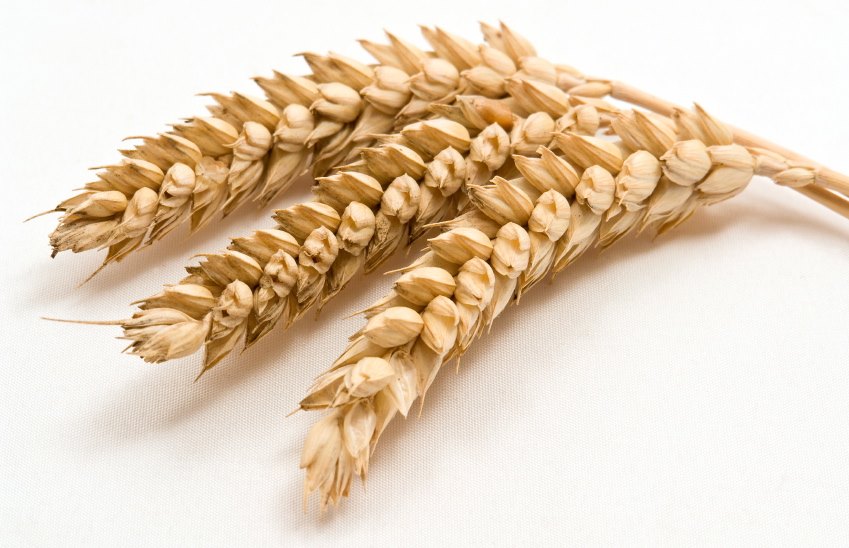
This may be hard for some people to grasp, but eating gluten free is not beneficial to your health unless you are either:
a. A Coeliac
Or
b. Have a gluten intolerance
...which only 1 in 141 people have. (Rubio-Tapia, A., Ludvigsson, J. F., Brantner, T. L., Murray, J. A., & Everhart, J. E. 2012)
The "Gluten Free" hype is generated in the media and promoted by food companies in order to try and generate more profit. The label is often put on foods which would not normally contain gluten anyways and the price is inconsiderately raised.
In fact, not only is it not beneficial to avoid gluten if not diagnosed with Celiac disease, but it may be detrimental to your health because many of the whole grains which contain gluten are rich in vitamins and minerals such as B1, B2, B3, E, folic acid, calcium, phosphorus, zinc, copper, iron, and fiber. (USDA National Nutrient Database for Standard Reference NDB No. 18042)
Don't miss out on healthy foods if you do not have to.
"'Non-coeliac gluten sensitivity' describes a set of symptoms people attribute to dietary gluten, but the cause and treatment is not well understood. Emerging research indicates it may not be gluten that is the problem and that the malabsorption of fermentable sugars (FODMAPs) may be the culprit in those with Irritable Bowel Syndrome. Findings from a recent study on this topic can be found in the Journal of Gastroenterology."— Coeliac Australia
References:
• Rubio-Tapia, A., Ludvigsson, J. F., Brantner, T. L., Murray, J. A., & Everhart, J. E. (2012). The prevalence of celiac disease in the United States. The American Journal of Gastroenterology, 107(10), 1538-1544.
• USDA National Nutrient Database for Standard Reference